July 20, 2026
In an era where utilities are becoming both more expensive and less reliable, securing a self-sufficient homestead is no longer just a luxury—it is a smart financial strategy. High-quality local well drilling has emerged as a premier upgrade for modern real estate, fundamentally altering how a property is valued on the open market. By establishing an independent, long-term water infrastructure, property owners can bypass the rising costs of municipal systems while adding a premium, eco-friendly selling point that deeply appeals to future buyers.
Importance of Access to Reliable Water Sources
Municipal Water Scarcity
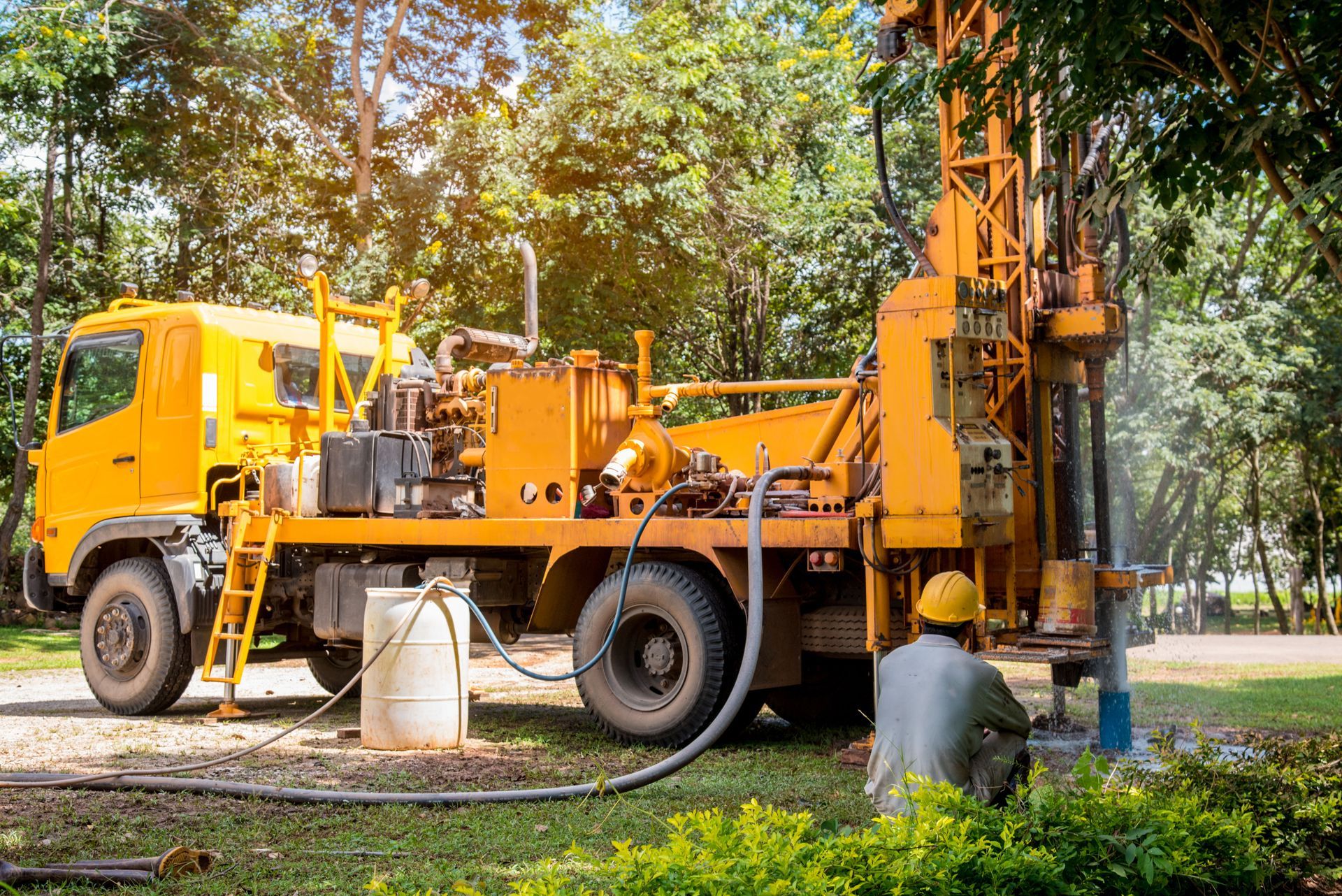
Municipal water scarcity is an ever-growing concern in today's world, pushing homeowners to seek alternatives. As water supplies become strained, costs for municipal water access are likely to rise, making independent sources such as wells more valuable. In regions experiencing drought or water use restrictions, partnering with an expert team for local well drilling can provide a consistent and unrestricted supply of water. This reliability is not only beneficial for daily use but also essential for maintaining gardens and livestock. Consequently, properties with high-quality well access are increasingly attractive to potential buyers.
Homeowner Autonomy
The autonomy provided by well ownership is another significant advantage. Having a personal water source allows homeowners to regulate their water usage without dependence on local government infrastructure. This self-sufficiency is appealing, especially in remote or underserved areas, offering a sense of security and control over one's living environment. Furthermore, avoiding the bureaucracy associated with municipal water rates and policies can be a major relief. This independence also aids in avoiding unexpected costs and changes in service that can occur with shared public utilities.
Disaster Preparedness
Well access significantly enhances a property's disaster preparedness. In the event of natural disasters or infrastructure failures, properties with wells can maintain water supplies, provided power sources for the well are secured. This self-reliance is invaluable during emergencies when municipal water supplies might be compromised. Owners can ensure their family's needs are met without relying on potentially overwhelmed public systems. Therefore, investing in local well drilling not only boosts property value but also peace of mind during uncertain times.
Financial Benefits of Well Ownership
Water Bill Savings
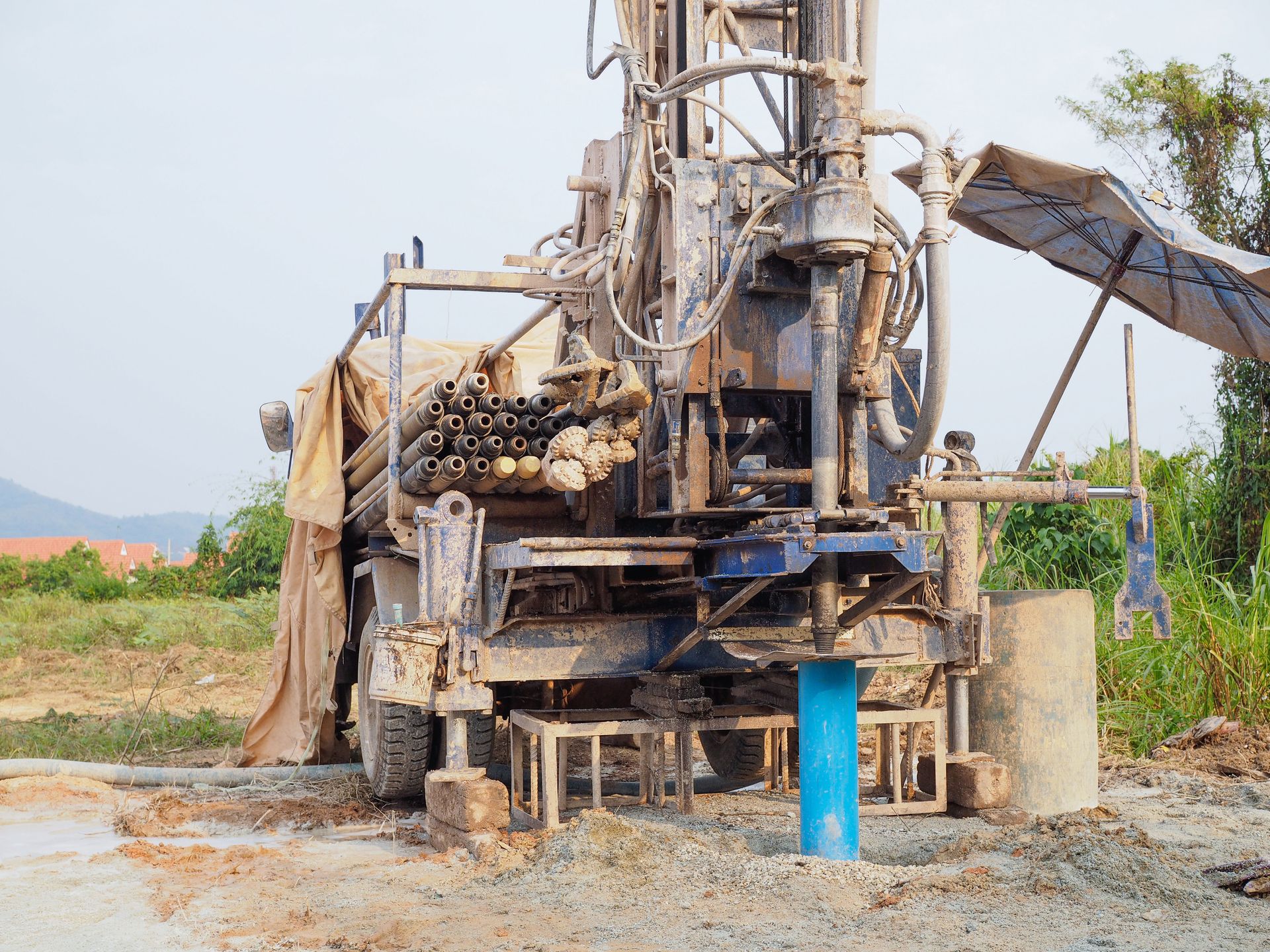
Owning a well leads to significant savings by eliminating monthly water bills. While the initial investment in professional local well drilling can be considerable, the long-term savings are compelling. Once a well is in place, its maintenance costs are predictable and typically lower than ongoing municipal charges. According to HomeGuide, a professionally installed water well lasts 30 to 50 years with proper maintenance, though individual components have shorter lifespans. This longevity ensures that the upfront investment pays off, increasing the property's overall cost efficiency and appeal.
Utility Cost Comparisons
Compared to other utility costs, wells incur low maintenance expenses, mostly around periodic inspections and repairs. Advances in well technology mean components are more durable and efficient, decreasing the frequency and cost of maintenance. Additionally, the lack of recurring charges associated with municipal water makes wells a financially astute choice. Homeowners are typically responsible for system upkeep, allowing for predictable budgeting and avoidance of surprise fees that may occur with public utilities. These economic benefits enhance the property's overall value and desirability in the market.
Market Saleability and Demand
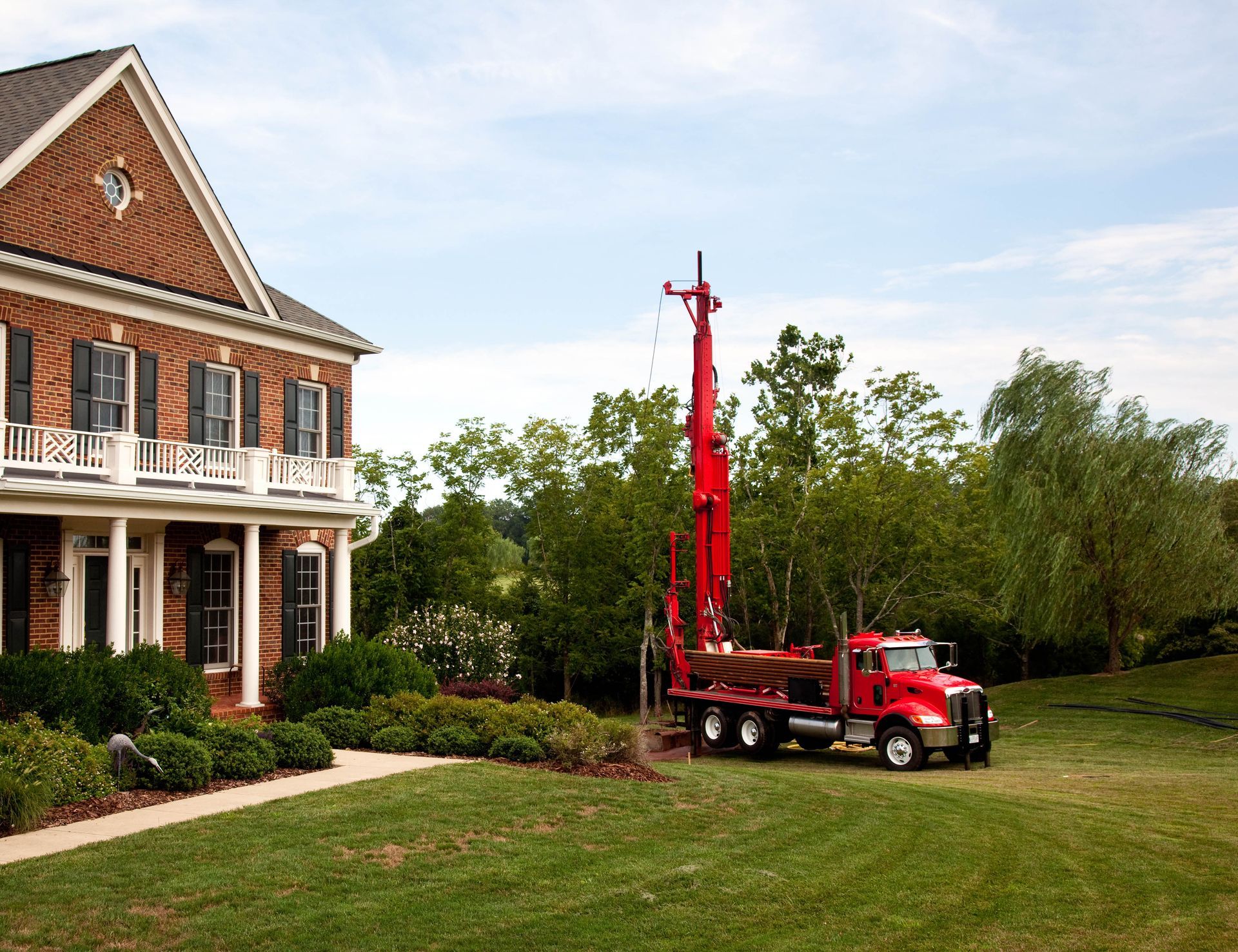
Properties with wells witness increased saleability due to lower utility costs and autonomy. Potential buyers often look for features that offer long-term savings and ease of ownership. A functional well signifies self-reliance, making properties more attractive in regions where municipal water is either expensive or unreliable. Additionally, securing local well drilling can be a significant selling point in listed properties, increasing overall demand and potentially driving up sale prices. Real estate brokers and buyers frequently view such properties as prime investments due to their sustainability and operational economy.
Environmental and Health Advantages
Chemical Exposure Reduction
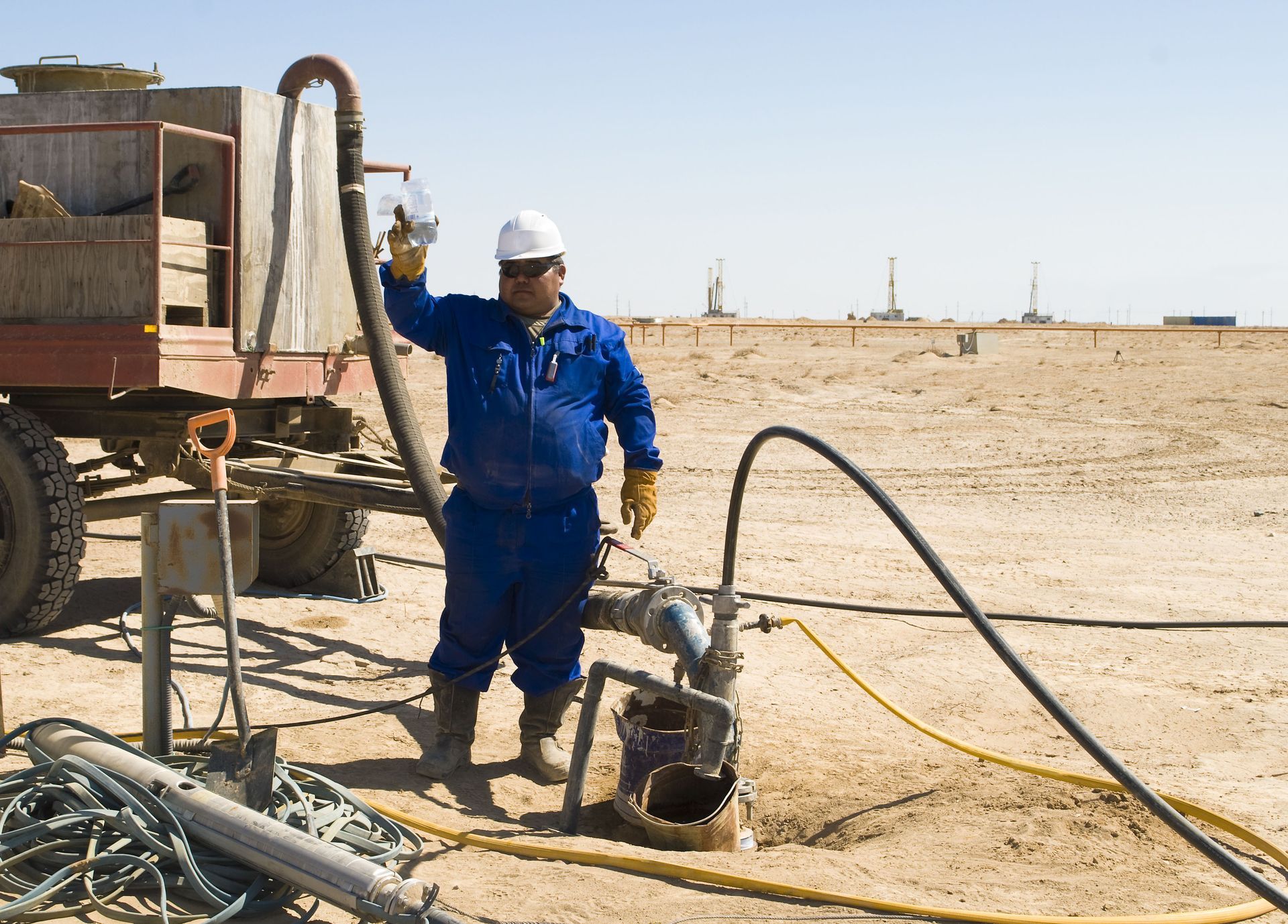
Well water often offers reduced exposure to the chemicals used in municipal water treatment processes. The filtration process of groundwater through various earth layers naturally purifies the water, offering a cleaner alternative for consumption. Homeowners who opt for local well drilling benefit from minimized intake of chlorine, fluoride, and other additives, which are common in city water supplies. This health advantage is increasingly appealing to individuals seeking a more natural lifestyle free from unnecessary chemicals. As awareness around health implications of chemical exposure grows, properties offering this clean water option see increased demand and value.
Environmental Sustainability
Wells contribute to environmental sustainability by reducing the strain on local water tables and municipal supplies. Drawing water locally can decrease the energy usage related to transporting and purifying water in extensive municipal systems. Furthermore, this promotion of sustainable living practices aligns with growing environmental awareness among prospective homeowners. Sustainable practices are becoming key marketing points in real estate, enhancing property value. As more individuals prioritize eco-friendly residences, properties with wells hold greater appeal due to their reduced environmental impact.
Ecosystem Benefits
The installation of wells supports local ecosystems by promoting responsible water usage in nearby natural areas. Responsible usage ensures that water resources are not overexploited, helping maintain ecological balance. When a community is not heavily reliant on a single water source, it helps preserve the local biodiversity and prevents habitat degradation. Consequently, properties with wells not only benefit their owners but contribute positively to the surroundings. The positive impact on biodiversity and ecosystem health significantly enhances the attractiveness and credibility of well-equipped properties.
Legal Considerations and Compliance
Permit Requirements
Understanding and navigating permit requirements is crucial for well installation and maintenance. Regulatory frameworks ensure that wells meet safety and environmental standards, an important aspect of property ownership. Securing the necessary permits can be a complex process but is essential for lawful operation and future property transactions. Complying with these requirements provides legal peace of mind, ensuring that investments are secure and complications are minimized. Thus, understanding and fulfilling permit obligations is a pivotal step in maintaining a property's value and regulatory adherence.
Environmental Regulations
Adherence to environmental regulations is imperative for property owners with wells. These rules safeguard environmental stability, preventing over-extraction and contamination that can disrupt ecosystems. By following environmental guidelines, property owners contribute to the sustainability and health of their locality, enhancing community relationships and credibility. Consistent compliance with these regulations ensures the well's operation aligns with broader environmental objectives, crucial for both personal and ecological gain. Thus, environmentally compliant well management supports property value by fostering a responsible reputation.
Water Right Boundaries
Water rights are a critical legal consideration for well owners, affecting access and use of water sources. Navigating these rights entails understanding who owns the water and under what conditions it can be used, varying significantly by region. Adequate knowledge of these rights is crucial for avoiding legal disputes and ensuring continuous, lawful access to water. Those investing in properties with wells must consider these rights to fully appreciate the long-term viability and value of their investment. Clarity in water rights fosters confidence in the property's potential and security.
Investing in a professionally drilled water well pays dividends that stretch far beyond immediate savings on a monthly utility bill. By merging long-term financial security with unparalleled homeowner autonomy, structural disaster preparedness, and clean, chemical-free water, a private well transforms a piece of real estate into a highly resilient, self-sustaining asset. Navigating the initial legal permits and environmental regulations paves the way for decades of reliable operation, making high-quality well infrastructure one of the most lucrative and secure ways to maximize your property's market value.
Take full control of your water supply and maximize your home's equity today by contacting Appalachian Well Drilling for our premium local well drilling services.