May 14, 2026
Reliable access to clean water is one of the most important elements of any home or property. Choosing water well drilling offers a dependable alternative to municipal systems while supporting long-term sustainability and cost control. By tapping into underground aquifers, property owners gain greater independence and a steady source of water that is less vulnerable to disruptions. This approach not only supports daily living needs but also strengthens resilience during periods of high demand or infrastructure issues.
Beyond reliability, water well drilling provides environmental and economic advantages that make it an appealing investment. From reducing reliance on shared resources to offering long-term savings, wells serve as a practical solution for homeowners seeking control over their water supply. Understanding how the process works and the benefits it delivers can help guide confident, informed decisions about installing a private well system.
Exploring Water Well Drilling Methods
Water well drilling involves accessing groundwater stored in underground aquifers through carefully planned and executed techniques. There are several types of wells, including driven and drilled wells, each suited to different soil conditions and water needs. Drilled wells are the most common for residential use because they reach deeper water sources and provide more consistent output. According to HomeGuide, water wells for residential use are 100 to 300 feet deep on average, though depth varies based on local groundwater levels. This depth helps protect the water supply from surface contamination while improving long-term reliability.
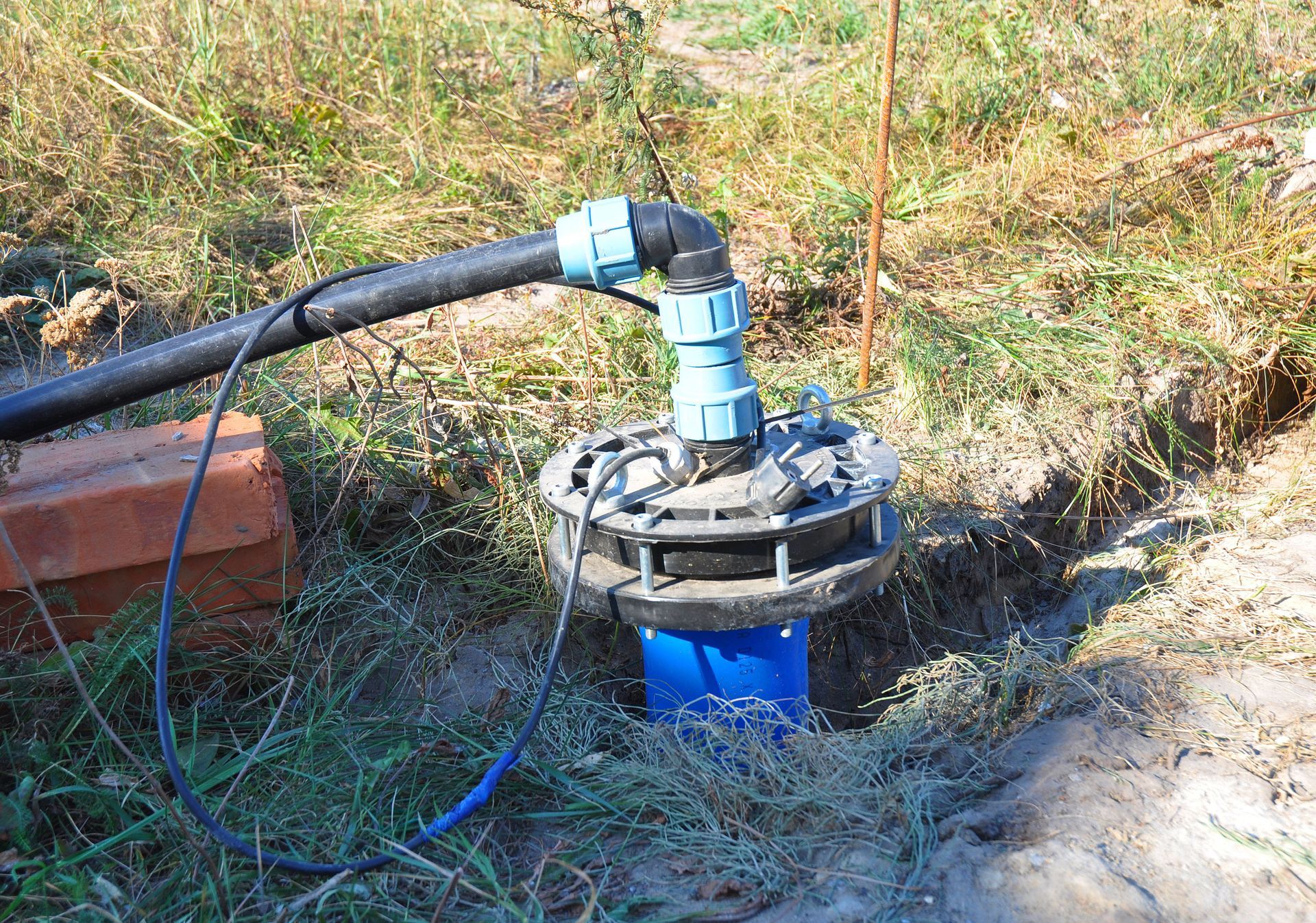
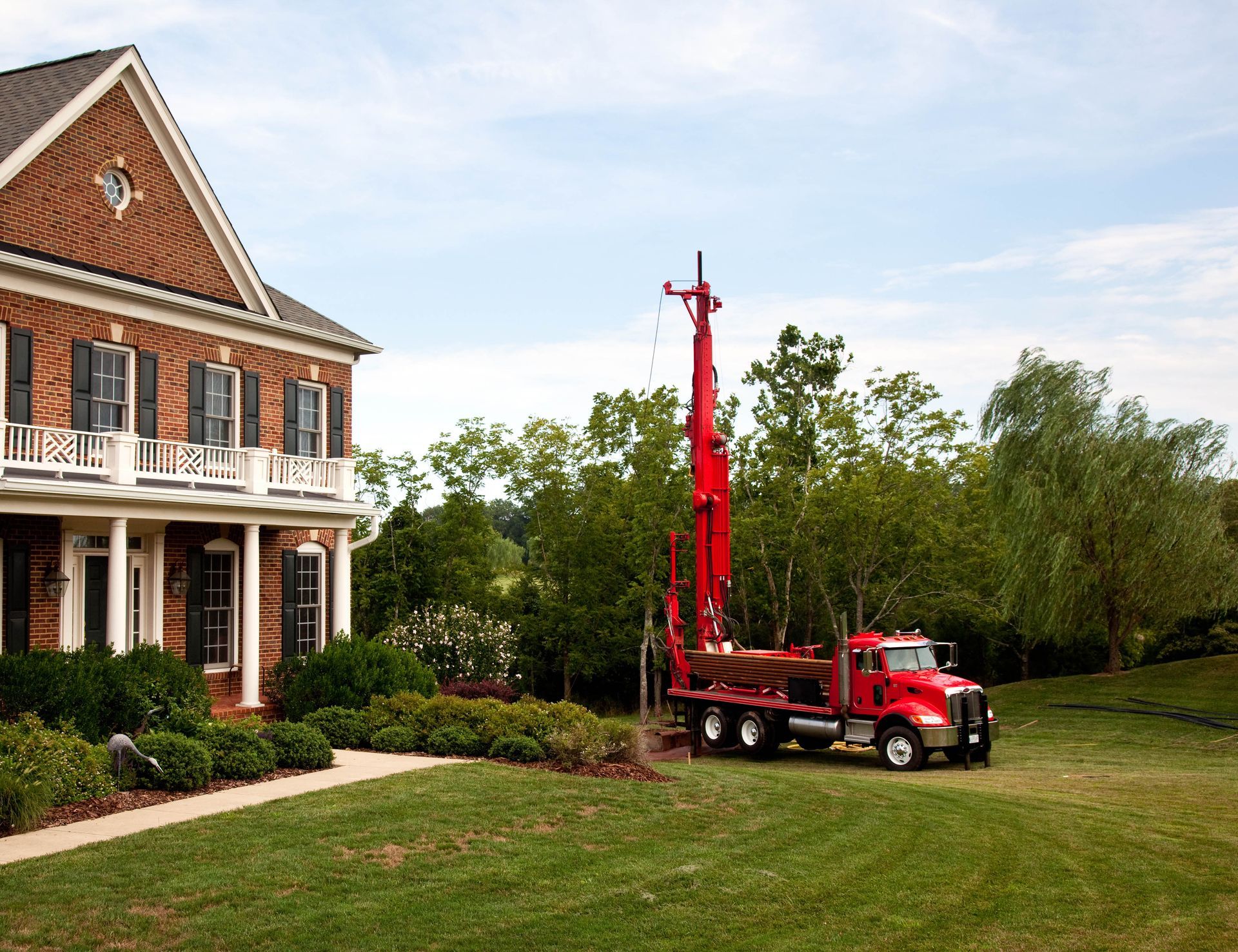
The process begins with a site evaluation to determine the best location based on geology and water availability. Once identified, specialized drilling equipment is used to drill into the ground, followed by installing casing to maintain structural integrity and prevent contamination. Screens and pumps are then added to filter and transport water efficiently. Each step requires precision to ensure the well functions properly and delivers clean water for years. Contractors may also evaluate soil composition, water table levels, and nearby environmental factors to fine-tune placement and performance expectations. In some cases, test drilling or geological surveys are used to confirm the most productive depth and location before full installation begins. Permitting requirements and local regulations may also influence planning, making professional guidance essential throughout the process.
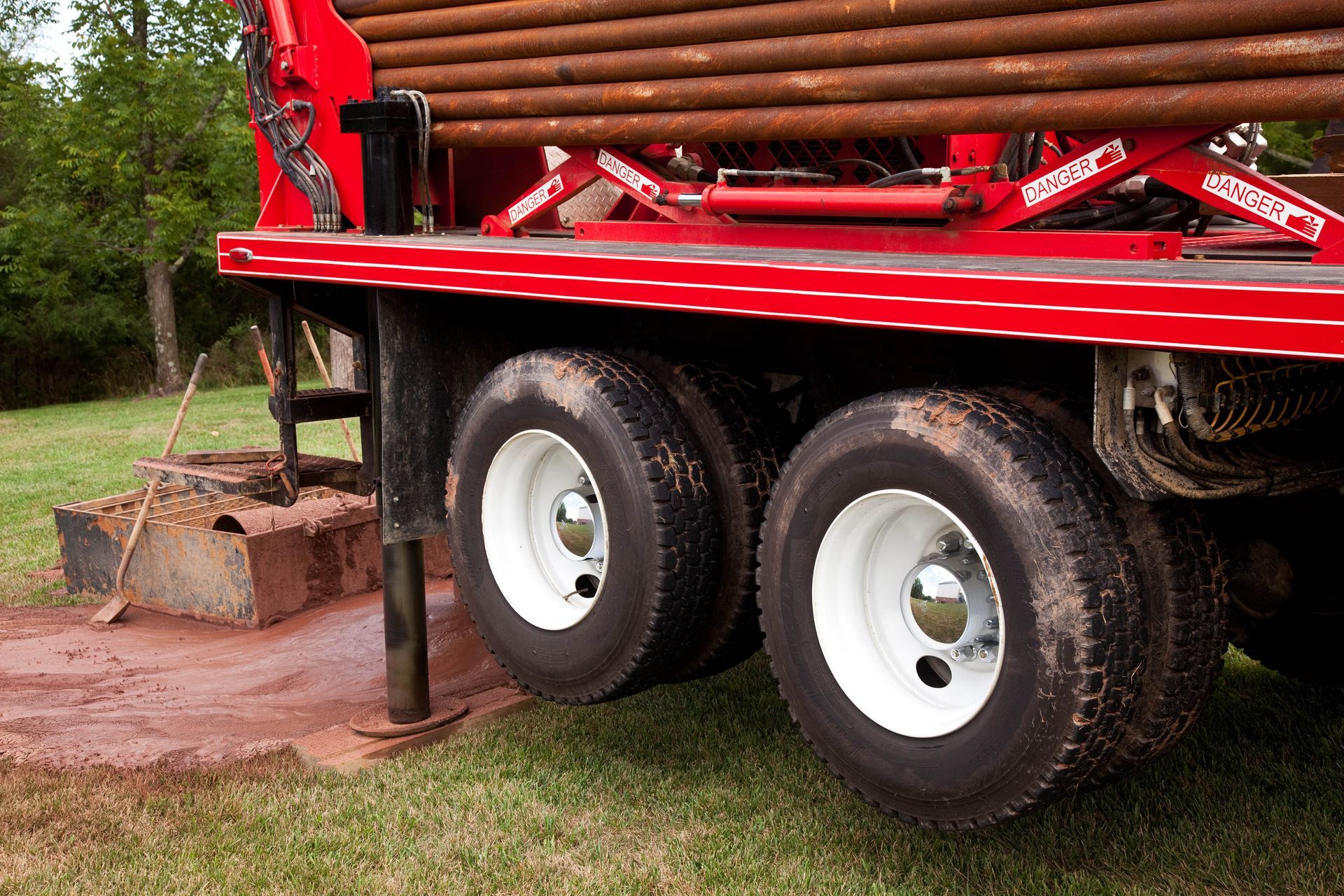
Modern water well drilling methods are designed to maximize efficiency while minimizing disruption. Advanced equipment allows professionals to adapt to different soil and rock conditions, ensuring a smooth installation process. With proper planning and execution, a well becomes a dependable resource that supports everyday needs and long-term property value. Continued advancements in drilling technology have also improved accuracy, reduced installation time, and enhanced overall system durability. These improvements make it easier for property owners to access consistent water supplies with minimal long-term complications while supporting dependable system performance.
Ensuring Reliable Water Access
One of the most significant advantages of water well drilling is the consistent access it provides. Unlike municipal systems that may experience outages, restrictions, or infrastructure failures, a private well offers a dedicated water source directly on your property. This independence ensures that households maintain access even during emergencies or periods of high demand. It also allows homeowners to feel more secure knowing their water source is not tied to external distribution systems.
Reliable access also means greater control over water usage. Property owners are not subject to fluctuating utility rates or usage limitations imposed by municipalities. This stability is especially valuable in areas experiencing growth or seasonal shortages, where public systems may struggle to keep up with demand. A well provides peace of mind by delivering a steady supply regardless of external conditions, helping households maintain normal routines without interruption.
Consistency extends to water quality as well. With proper maintenance and testing, well owners can monitor their water and ensure it meets their standards. This level of oversight allows for prompt adjustments if needed, supporting a dependable and safe water supply tailored to the household's needs while encouraging proactive system care.
Reducing Environmental Impact
Water well drilling contributes to environmental sustainability by reducing reliance on large-scale municipal systems. Public water systems often require extensive infrastructure, energy-intensive treatment processes, and long-distance transportation. By sourcing water locally, wells decrease the demand placed on these systems and lower overall energy consumption. This localized approach also helps reduce strain on shared water resources.
Groundwater accessed through wells is naturally replenished through precipitation, making it a renewable resource when managed responsibly. Properly installed wells draw from aquifers at sustainable rates, helping maintain balance within the ecosystem. This approach supports conservation efforts while ensuring long-term availability for both individual users and the surrounding community. Responsible usage habits further strengthen these environmental benefits.
Additionally, modern drilling practices are designed to minimize land disruption. Equipment and techniques allow for precise installation with a relatively small footprint, preserving the natural landscape. By choosing water well drilling, property owners actively participate in reducing environmental strain while maintaining access to essential resources and supporting long-term ecological balance.
Lowering Long-Term Costs
Investing in water well drilling can lead to significant financial benefits over time. While the initial installation requires upfront planning and expense, the absence of monthly water bills quickly offsets these costs. Maintenance and occasional servicing are typically the only ongoing expenses, making wells a cost-effective solution in the long run. Over time, these savings can become substantial for many households.
Eliminating dependence on municipal water also protects homeowners from rising utility rates. Water costs can fluctuate due to infrastructure upgrades, population growth, or environmental factors. With a private well, these external influences have minimal impact on household expenses, allowing for more predictable budgeting and long-term financial stability.
Cost savings extend beyond monthly bills. Properties with well systems often see increased value due to their independence and sustainability. Buyers recognize the long-term financial advantages, making homes with wells more attractive in competitive markets while reinforcing the overall return on investment.
Supporting Property Value Growth
Water well drilling enhances property appeal by offering a reliable and self-sufficient water source. This feature is particularly attractive in areas where water availability is a concern or where utility costs are high. Buyers often prioritize properties with established wells because they provide both convenience and financial benefits, making them stand out in the real estate market.
In addition to appeal, wells contribute to functional value. They support various uses, from household consumption to irrigation and landscaping, without increasing monthly expenses. This versatility makes properties more adaptable and desirable, especially for those seeking long-term sustainability and independence. A well system can also support future property improvements without requiring additional infrastructure.
Maintained systems further strengthen value by demonstrating reliability and care. Regular inspections, proper upkeep, and consistent performance reassure potential buyers and appraisers alike, helping position the property as a strong long-term investment with dependable resources already in place. This added confidence can influence faster sales and stronger offers in competitive housing markets.
Water well drilling offers a comprehensive solution for those seeking reliable, cost-effective, and environmentally conscious water access. From ensuring a steady supply to reducing long-term expenses and supporting sustainability, the benefits extend across multiple aspects of property ownership. With proper planning and maintenance, a well becomes a lasting investment that enhances both daily living and future value. For more information about the services that we offer, reach out to our incredible team at Appalachian Well Drilling today!